Residential Stamped Concrete for Your Home
Request your estimate today
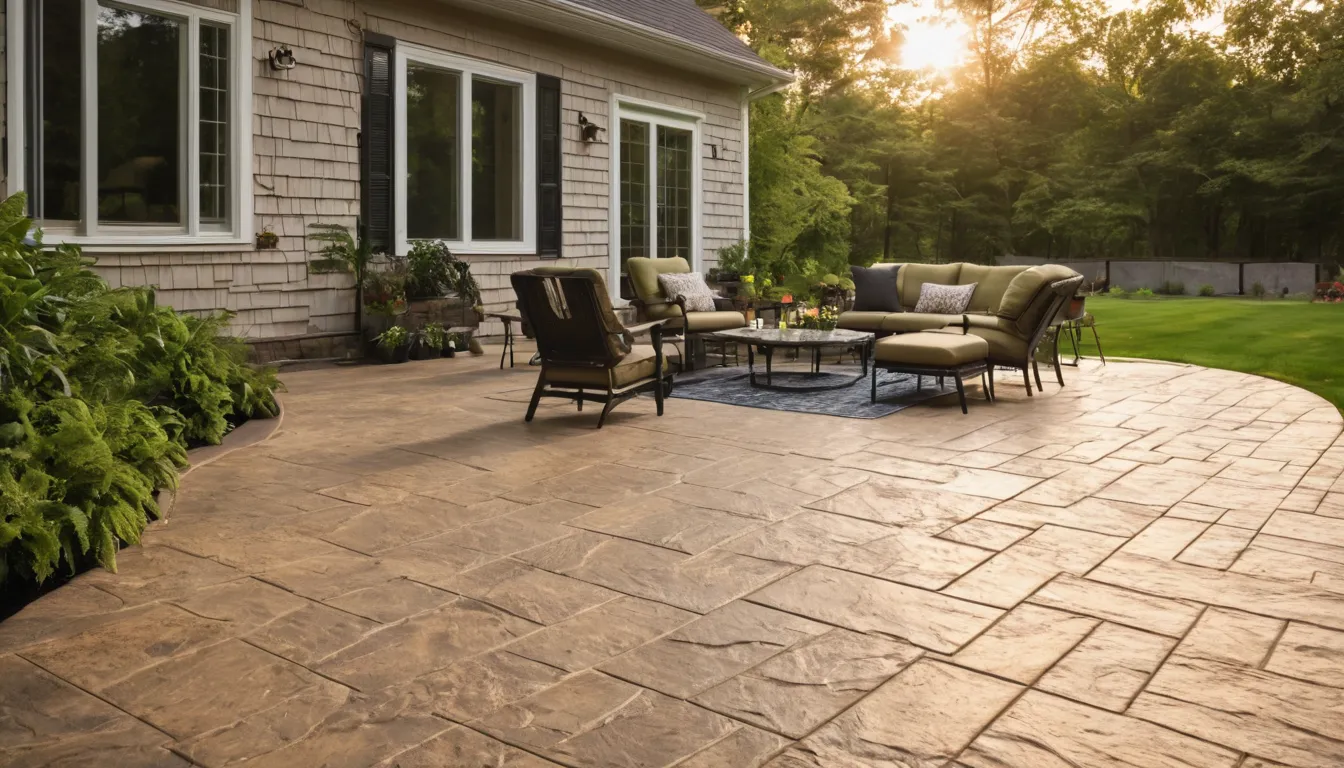
Is stamped concrete really worth it, or is it just a pricey look? Many homeowners wonder this before they start. The short answer is that it is regular concrete, poured thick and sturdy, then pressed with mats that copy stone, brick or wood. The color and pattern are part of the surface, not a thin paint-on layer. Catsworldrescue Concrete is a referral service that connects you with independent local providers who do the work.
Planning matters more than the pattern. Good drainage, a solid base and a smart joint layout help a slab hold up through heavy rain and hot summers. Share your photos and plans, request an estimate, and compare written quotes from providers in our network at your own pace. Nothing is decided until you say so.
Stamped Concrete Myths, Sorted Out
A lot of people think stamped concrete is a thin coating or a fake look. In practice, it is real poured concrete that gets color and texture while it is still soft. It is a popular kind of concrete flatwork for yards. Independent providers in our network do the work. Catsworldrescue Concrete helps you find them.
Your First Hour: A Calm Checklist
Planning a new surface feels big. Make it small. Use your first hour like this:
- Take photos of the space from three or four angles.
- Measure roughly with a tape, or pace it out.
- Note where water pools after a heavy rain.
- Write down what you want: a seating spot, a grill corner, a walkway.
Photograph, then plan. Those notes make every later conversation easier.
Myth: Stamped Concrete Looks Fake
Many homeowners picture stiff, repeating squares. Today's stamp mats copy real stone, brick, slate and wood. Color goes into the mix and onto the surface by hand, so the finish varies the way natural material does. Ask a provider for photos of finished jobs, or look at one in person.
How Stamped Concrete Is Made
The steps are easier to follow than most people expect.
- The ground is graded and a gravel base is packed down.
- Forms are set, and steel or fiber reinforcement goes in.
- Concrete is poured and leveled.
- Color hardener or release powder is worked across the top.
- Stamp mats press the pattern into the surface.
- Joints are cut, and a sealer goes on once the slab cures.
Each step has a window. Stamping must happen while the concrete is soft enough to take the pattern, which is why providers plan the pour day carefully.
Myth: Stamped Concrete Cracks More
Any concrete can crack. Stamped concrete is not weaker. What matters is the base, the reinforcement and the joint plan. Providers often place joints along pattern lines so they blend in. Ask where the joints will go before you agree to a layout.
Popular Patterns and Colors
Ashlar slate, cobblestone, running-bond brick and wood plank are common picks. Warm tans, soft grays and earthy browns suit brick and vinyl siding well. In hot sun, lighter colors tend to stay cooler under bare feet. A border or a darker second tone adds depth.
Where Stamped Concrete Works Well
It suits stamped concrete patios, walkways, pool decks, porch landings and fire pit areas. It is a good match for a slab-on-grade ranch home, where a patio can sit level with the back door. Older pier-and-beam houses can work too, as long as the new slab sits clear of the piers and drains away from them.
Built for Heavy Rain and Heat
Hot, humid summers and sudden downpours shape the choices. Ask about a slope that sheds water, a slip-resistant sealer and drainage away from the house. During tropical storm season, many providers also watch the forecast closely before a pour.
Stamped Concrete vs. Pavers
A common belief is that pavers are always the sturdier choice. Each has trade-offs.
- Stamped concrete is one continuous surface with no weed gaps, and it is often quicker to place.
- Pavers are separate pieces. They can be lifted and reset, but the joints may need fresh sand and can shift.
- Stamped concrete needs resealing now and then. Pavers need joint upkeep.
Neither is wrong. Your yard, soil and budget decide.
Pour Around Life
Busy households need a plan, not a surprise. Share school runs, work hours, pets and parking needs up front. Ask which days the forms, pour and sealing happen, and where the truck and wash-out will sit. A good schedule keeps the disruption short.
How Long the Job Takes
Many patios take a few working days from layout to sealing. The concrete then needs time to cure. Light foot traffic is often fine after a day or two, while furniture and grills usually wait several days. Vehicles and heavy loads wait longer. Rain can shift the schedule, so keep a little flexibility.
Caring for Stamped Concrete
Care is simple. Sweep often, rinse with a hose and use mild soap on spills. Reseal every two to three years, or as the provider advises. Keep pressure washers on a gentle setting. This page covers new work, so concrete driveway repair is a separate topic.
Check the Slab Underneath First
If a nearby slab is sinking or cracking close to the house, the cause may be soil or foundation movement. Foundation repair experts should look at that before any new decorative surface goes down. Stamped concrete is a finish, not a fix.
Choosing a Stamped Concrete Provider
Quote before commitment. Ask each provider:
- Can I see recent stamped jobs up close?
- What base, reinforcement and sealer will you use?
- Where will the joints go?
- Do you hold the licensing and insurance my area requires?
- What does the written quote include?
Ready to Plan Yours?
Send a few photos and request an estimate. There is no obligation, and you can compare providers at your own pace.
Prefer to talk it through? Request a callback to check provider availability.
What's Included
Pattern Choices
Stone, brick, slate and wood looks are pressed into one continuous poured slab.
Color Options That Last
Color is mixed in and worked into the surface, so it does not simply peel.
Base and Drainage Prep
Grading, gravel and slope are set up so rain runs away from your home.
Sealing and Finishing
A sealer protects color, adds sheen and can include grip for wet areas.
Typical Stamped Concrete Costs
Prices vary by size, pattern, access and local rates. These are typical U.S. ranges only. Ask each provider for a written quote that lists materials, prep and sealing.
| Item | Typical range | Notes |
|---|---|---|
| Basic stamped patio | $12 – $20 per sq ft | Single color, simple pattern |
| Multi-color or complex pattern | $18 – $30 per sq ft | More labor and hand detail |
| Average 300 sq ft patio | $4,000 – $9,000 | Depends on pattern and prep |
| Site prep and grading | $1 – $4 per sq ft | Higher for slopes or old slab removal |
| Sealer and resealing | $1 – $3 per sq ft | Needed every few years |
| Borders and accent bands | $500 – $2,000 | Varies by length and design |
How It Works
Photograph the Space
Take clear photos, note rough measurements and jot down how you want to use the area.
Request an Estimate
Send your details through the form so a local provider can reach out to you.
Compare Written Quotes
Review pattern, base, sealer and schedule side by side before making a choice.
Schedule Around Your Life
Pick dates that work for your household, with weather room built in.
Why Call Catsworldrescue Concrete
Plain Answers, Real Providers
Providers in our network do the work, and we say so clearly.
Quote First
Compare written quotes before you commit to anything or anyone.
Light Planning
Short steps and simple questions fit easily around a busy family schedule.
No Pressure
Request an estimate with no obligation and decide on your own timeline.
Other Services
Need residential stamped concrete in Warrior?
Tell us about your driveway or patio plan and request an estimate. Catsworldrescue Concrete passes it to independent local providers. No obligation to hire.
No obligationResidential Stamped Concrete FAQ
How long does stamped concrete last?
With a solid base, good drainage and regular resealing, stamped concrete can last for decades. The sealer wears down first, so plan to reseal every two to three years. Ask your provider for care advice in writing.
Is stamped concrete slippery when wet?
It can be if it is sealed with a high-gloss finish. Providers can add a slip-resistant additive to the sealer, which matters for pool decks and areas that get heavy rain. Ask about texture and sheen before choosing a sealer.
Can stamped concrete go over my existing patio?
Sometimes. A thin stamped overlay can go on a sound, level slab, but a cracked or sinking one usually needs to be replaced. A provider can inspect it and explain the options in a written quote.
Tell us what happened
Tell us about your driveway or patio plan and request an estimate. Catsworldrescue Concrete passes it to independent local providers. No obligation to hire.
No obligation